source: TheirToys.com
source: TheirToys.com

Written by brainz.org

Dumb laws: not the merely annoying or restrictive, but the truly stupid, have long been fodder for late-night comedians, bored people on the Internet and compulsive trivia-seekers. Most are apocryphal or no longer on the books; some, though, do persist, producing great snickering sounds from those needing distraction. Here’s a look at 15 of the verifiable ones from across this great land, on all levels: state, city and county.

Yes, it’s true. If you’re having trouble scraping up enough food to keep your family warm and healthy — and, in these hard times, who isn’t? — you’re legally permitted to scrape up any unfortunate animals from the road to turn into a tasty stew, fricassee or whatever you like. The law’s intentions are solid: the Department of Transportation can’t afford to regularly clean every single one, so this kind of ad hoc road maintenance not only helps keep the roads clean, but lowers the cost of maintenance as well.

Libertarian and anti-government cranks everywhere got a new hobbyhorse to ride over the San Tan Flat, an all-purpose restaurant with a large outdoor area in Pinal County, Arizona. For obscure reasons of their own, county officials decided to harp on a law from 1962 prohibiting outdoor dance halls, bowling alleys, penny arcades and so forth. With outdoor dancing very much part of the restaurant’s appeal, the owners were none too amused at being fined $700 every day for the silly violation. After national attention — Drew Carey did a segment about the problem for libertarian website Reason and George Will got a column out of it — the restaurant won in court. The law’s still on the books, ready to ruin any small business owner’s life whenever Pinal County feels like it.

A strangely despairing law on the Washington books instructs prospective criminals to have the basic courtesy to, when they arrive at city limits, “telephone the chief of police" and inform him or her of what’s about to happen. The idea was to cut down on a spiraling crime rate. Needless to say, no potential criminal was ever dumb enough to actually do it.

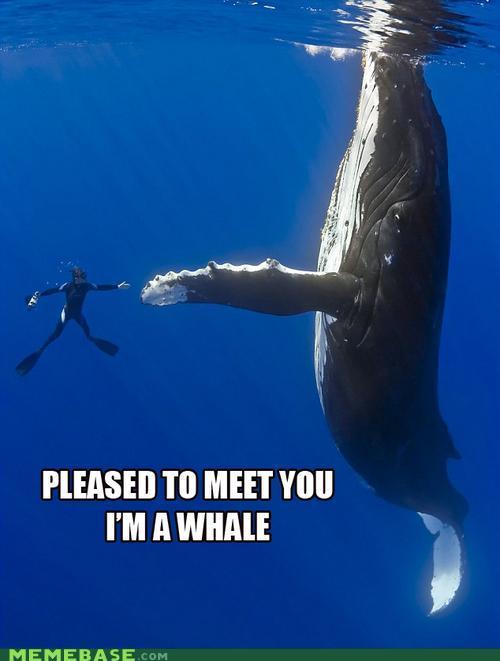
Not that there are any whales to hunt in Utah to begin with… It’s not clear why this law exists. It did, however, provide the capstone for one Richard Smith of Cornwall, who resolved to set out across America in July 2005 to systematically break as many arcane and downright silly laws as he could. In Utah, he planned to rent a boat and attempt, at least, to hunt a whale. Sadly, unlike, say the expeditions of Sir Richard Burton or Sir Edmund Hilary, history doesn’t record what became of this intrepid Brit.

Austin, Texas is a city with a large university population and plenty of computer money floating around, with a lively downtown area. It’s the 15th-biggest city in America. Despite that, it has a lawdating back to the frontier days, when fence cutting and cattle stealing was a big deal. For that reason, don’t carry wire cutters in your pocket, though admittedly the situation is unlikely to come up; it’s a real city, not a rural area. The law is unlikely to cause any real hindrance.

This one sounds stupid, but it actually makes sense. Rabies are a problem in Tennessee, and skunks are big carriers of rabies, so it’s not a terribly random law (aside from the vexing question of what kind of person wants to adopt a skunk in the first place; zoos and scientists are, of course, exempt). Mostly the law attracts attention because skunks are funny. Fair enough.

There is, of course, a perfectly good reason that North Carolina has stipulated that "no person or persons at least 16 years of age shall while wearing a mask, hood or device whereby the person, face or voice is disguised so as to conceal the identity of the wearer, hold any manner of meeting." The image raises to mind the law’s intended purpose: to prevent the KKK from gathering together and doing their nefarious thing. The problem here is that the law’s language doesn’t explicitly say the KKK is prohibited from gathering, which all things considered would seem to be the simplest way to go about it; instead, it inadvertently bans Halloween parties. Which is silly.

Life is hard in New Jersey, the nation’s butt of all jokes about filthy chemical waste and government corruption. One bright spot, perhaps: since 1949, it’s been impossible to pump your own gas in New Jersey. Instead, someone will come and pump it for you. The only other state with this law is Oregon. Five years ago, then governor John Corzine experimented with letting people pump their own gas on the New Jersey Turnpike, but no dice: the good people of New Jersey do not want to get out of their car or get gas on their clothing, even if it’ll save them five cents a gallon. Because after all, finding gainful employment is hard, and creating an essentially subsidized job position is a big help if you can’t actually get out of the garden state.

It’s unclear what kind of terrible person would actually curse at a fireman risking life and limb while the fireman’s actually working. Apparently, though, this happens, so in New Orleans it’s illegal to curse at a fireman while they’re in the pursuit of their official duties. Off-duty, however, you are free to be totally rude to someone who’s only trying to help, if that’s your kind of thing.

Since 1982, all heads of household in this small Southern town have been required to own a gun, though there’s no apparent penalty for not complying. The law was passed in response to a gun ban in Morton Grove, Illinois; the citizens here (whose population swelled exponentially since the law’s passage, from 5,000 to 30,000) take the usual kind of Southern pride in asserting their God-given Second Amendment rights in the most uselessly symbolic fashion possible, making sure the always shaky rights of white family men aren’t suppressed. Still, crime hasn’t risen, so no harm done.

Still, if you want to see legislated creepy conformity at its most innocuous yet annoying, Seaside, Florida has Kennesaw beat. Seaside is a planned community, and if you truly desire to live among people with similar priorities then this is the place to be. Here, every house has to have a white picket fence and two-story porch, and if that gives you the suburban creeps you probably don’t belong in Seaside.

In 1996, the good citizens of this small Connecticut town underwent a minor furor when a festival was disrupted by pranksters who silly stringed motorcycle police, marching band members and cheerleaders. Most people would respond to this by just chasing down and beating the ever-living crap out of the perpetrators (or just responding in kind), but Southington spazzed, passing legislation to ban the sale of Silly String in the community and thereby dealing a permanent death-blow to graduation ceremonies everywhere.

Sometimes stupid laws are the only logical response to stupid people, as with the fun-lovingcollege students of Boulder. The University of Colorado at Boulder is, er, “renowned" as a party school, and its dedicated academic undergraduates enjoy unwinding after major events (such as a college football victory, whose earthshaking importance is understood by most Americans) by burning couches. To discourage such unruly and potentially dangerous pyromaniac moments, no couches are allowed on the porches of Boulder… A sad discouragement for transplanted Southerners who enjoy porch life.

It’s unclear what’s dumber: the ever-inefficient war on drugs, or the kind of person who really wants to lick toad secretions in search of the ultimate high. Yes, if you want to actually take a crap shooton the cane toad and see what happens, that option is sadly legally prohibited in Los Angeles. Stupid people, as ever, lead to stupid laws, and in any case the toads are a nuisance: the poison they excrete can get you high, but it can also kill your dog if you’re not paying close attention.

Technically, this law exists: both ends of the religious spectrum are prohibited from serving in public office in Tennessee, which presumably means only mild-mannered believers are allowed to run for office. The law’s doubly dumb: not only does it make no sense, it’s also unconstitutional, meaning it’s unenforceable, meaning it’s pointless. But hey! Symbolic gestures for everybody!
Bonus: Human Patch v1.1

Written by Cowboy
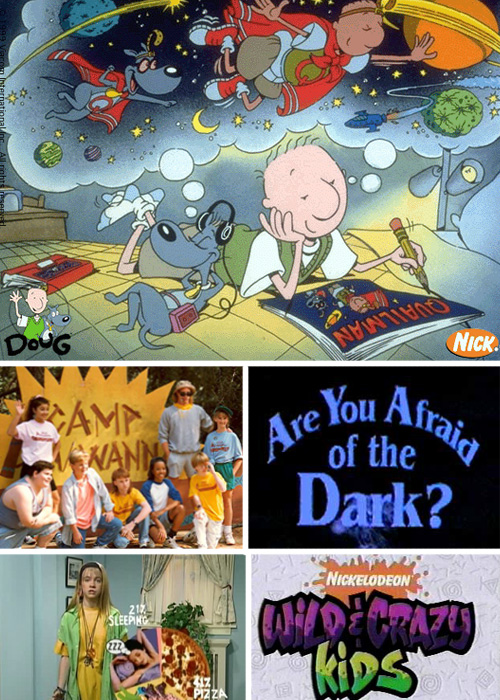
Sick of the crap that kids are expected to watch on television now? Feeling nostalgic for the good ol’ days of Nickelodeon, the golden age when cartoons were still hand-drawn, and your favorite characters were wearing spandex, over-sized T-shirts, and mullets? Well, dig out your Walkmans and Gak, because here are the 15 best shows that Nickelodeon brought to the 90?s.
“One thing gathers us together: the dark.”
Who didn’t want to be a member of the Midnight Society? The arc of this show revolved around a group of stereotypical 90?s kids that met one night a week at a secret location in the woods, to share PG-rated scary stories.
The stories were usually adaptations of fairy tales, urban legends, and scary stories that were in the public domain. Seen now, most of the tales aren’t so scary, and they probably weren’t at the time either. But Are You Afraid of the Dark was still the highlight of each SNICK lineup. Even with the cheese factor, they’re still worth watching as an adult.
Donkey Lips. Budnik. Sponge. Ug. Summer camp was never nearly as interesting as Camp Anawanna was, and nobody ever had such awesome nicknames. Salute Your Shorts is to this day the only American television show to include the word “fart” in its opening theme, which automatically elevates it to “freaking awesome” status to most 9-year-olds. Despite the terrible child actors, Salute Your Shorts actually manages to retain a portion of its humor for grown-ups, so long as they aren’t looking for anything highbrow.
Ren and Stimpy. The very words conjure up memories of anthropomorphic farts, nose goblins, and terrifying Star Trek spoofs. Is there anyone between the ages of 18-35 who can’t recite “The Log Song” or “Happy Happy Joy Joy?” Love it or hate it, Ren and Stimpy had a serious impact on American television and animation.
Starring Ren Höek, a psychotic chihuahua, and Stimpson “Stimpy” J. Cat, the show was a parade of gross-out humor tinged with the bizarre. The show quickly became a target for censorship, due to the extreme violence and out-and-out nastiness. Nickelodeon fired the creator and original director, John Kricfalusi, after two seasons.
Kricfalusi later teamed up with Spike TV to reboot the series for an adult audience, but production halted after three episodes. Everyone was unsettled by the new series, audiences and critics alike. When Spike TV – the network that airs 1001 Ways to Die – says your show is too crazy, your show is seriously crazy.
Rocko’s Modern Life rode in on the same wave of bizarre gross-out humor that Ren & Stimpy did. Starring a pant-less wallaby named Rocko, his dog Spunky, and a supporting cast of various kinds of animals, it was the kind of show that wrung the potty humor from every possible situation. We’re not particularly squeamish, but watching a frog shave its tongue kind of loses its appeal after puberty. It doesn’t have the edginess of Ren and Stimpy, or the snappy dialogue of Angry Beavers, but It’s gross and weird and… why is there a moose in that refrigerator?
Okay, Rocko’s Modern Life is worth watching just for the sheer WTF factor.
Wild and Crazy Kids functioned on two guiding principles: 1.) Kids want to watch other kids doing things they dream of doing, and 2.) Pies to the face are always, always funny. It was a winning formula. It’s still a winning formula, with the added bonus of being able to make fun of the terrible shirts that Omar Gooding and Donnie Jeffcoat wore.
Now that we think about, Nickelodeon implemented their Pie = Awesome and Wacky Stunts = Ratings formula elsewhere. Double Dare, hosted by Marc Summers, was one of the longer running Nickelodeon shows, beginning in 1986 and sticking around until 1993, and was even revamped as in January of 2000. Besides the requisite pies-in-the-face, contestants regularly got soaked with water, milk, and Nickelodeon’s trademarked slime, and — best of all — go through an obstacle course.
The show put Nickelodeon – still a fledgling network at that point – on the map.
Legends of the Hidden Temple was another of Nickelodeon’s game shows. Competing teams of kids took orders from a giant, animatronic head named Olmec, answered questions about half-bogus legend, and then ran through an obstacle course.
(Seriously, why are there no more obstacle courses on television anymore? Why are we only stuck with shows like Survivor for nine million seasons?)
The show was part Indiana Jones and part American Gladiator, with all the historical inaccuracies of the first mixed with the hilarious physical challenges of the second. A seriously winning combination.
Though not as creepy as Rocko’s Modern Life or straight-up weird as Ren and Stimpy, Angry Beavers was memorable for having the best dialogue in a kid’s show ever. Much of it, of course, is a hell of a lot funnier if you’re an adult. Here are some examples from theAngry Beavers IMDB page.
Comedy gold..
If that isn’t enough to convince you of the show’s awesomeness, the animation has a lot of similarities to Yellow Submarine, which is a breath of fresh air if you’re sick of all dubbed anime and crap CGI cartoons.
Pete and Pete originally aired as a series of Nickelodeon shorts. Due to their popularity, they were eventually produced into full-fledged series that lasted for three seasons.
Pete and Pete was a prototype of the hipster movement. Don’t believe us? Look at the glasses, the flannel hats, the irony and whimsy. Look at little Pete’s tattoo, Petunia. Artie (the strongest man in the world) looks like he just rode his fixed-gear bike from a local cafe/bookstore in Portland.
All that aside, Pete and Pete is a sweet ode to suburban ridiculousness. It manages to satirize silly middle-class values without ever getting too cynical or saccharine. Pretty rare for a kid’s show.
Anyone remember Alex Mack, superhero, mutant, and 90?s fashionista? With a premise that was lifted pretty much entirely from any superhero comic, plus standard kids’ show plots, Alex Mack is like the offspring of Daredevil and Degrassi. After accidentally getting drenched in a secret chemical goo, Alexandra Mack has the ability to shoot electricity out of her fingertips, morph into a silver puddle, and move things with her minds. With these awesome powers she… experiences teenage drama. Well, points for trying, Nickelodeon.
On the other hand, it is fun watching Alex Mack develop a serious hat fetish is kind of fun.
There’s probably not a single woman under 30 who didn’t want to be Clarissa Darling when she was growing up. She had it all: wit, a superfly best friend, and a sweet computer (for 1992). She was the original geek girl hipster, and she had the best wardrobe ever.
Clarissa Explains It All is still worth watching, mostly for the ridiculous computer simulations that Clarissa designs in each episode, most of them focusing on how to torture her Young Republican brother Ferguson. How much do you want to bet that Clarissa got rich in the dotcom boom, moved to Seattle, and lives in a commune with Sam?
(No actual video available, because Disney has Doug locked down tight.)
Doug was one of Nickelodeon’s first Nicktoons, premiering at the same time as Rugratsand Ren and Stimpy. The main character was Doug Funnie, who detailed his days in the town of Bluffington in his diary. Like many of Nickelodeon’s programming, many of the plots dealt with humdrum issues like peer pressure and crushes on girls, but it spiced things up with forays into Doug’s imagination: who could forget Quail Man, or (WA-NA-NA!) Jack Bandit?
Doug was bought by Disney in 1996. The company gave Doug a makeover and produced three more seasons and a full-length movie before shutting the franchise down. Since then,Doug has run afoul of Youtube users who enjoy ruining others’ childhoods. Awesome.
Before there was All That, there was Roundhouse. And it was awesome.
Performed before a live audience, and using minimal props and sets, Roundhouse was a fast-paced sketch show, making use of its multi-racial cast’s dancing and singing talents as well as their comedic ability. It was like In Living Color for kids. (Not that we didn’t watchIn Living Color as kids, but still.)
Awesome! But also, ew.
The most successful of all of Nickelodeon’s live-action shows, All That ran for ten seasons, from 1995-2005. It gave birth to 5 spinoff shows, and started the careers of Kenan Thompson and Kel Mitchell. Some of their best sketches included:
Bonus?Is This Real Life?
Written by Lauren Dugan
It’s easy to fall into the trap of spending an hour reading and writing tweets before you realize you just meant to log on to your email and respond to your boss. Twitter is an addictive social information machine, and we wouldn’t be surprised if “Twitter addiction” becomes a verifiable condition. Think you might have a Twitter obsession? Here are 50 signs you’re addicted to Twitter. If you nod in agreement to more than half of them, you might have a problem.
Written by Eric Vreeland
Marketers are becoming more and more interested in measuring the ROI of social media. According to eMarketer four out of five US businesses with at least 100 employees will be using social media for their marketing efforts this year. This makes measuring the effects of these marketing efforts even more important.
Up to this point the top metric for social marketing success was site traffic, but more and more focus has been given to other values such as fans / followers and positive buzz.
Although only 15.4% of respondents to an eMarketer survey felt that Facebook had a significant ROI, this number is growing. Now is the perfect opportunity for your business to take advantage of the opportunities that social media offers for getting found by prospects and interacting with prospective customers. While other companies struggle with whether or not to participate you can be out in the trenches gathering fans and gaining evangelists.
One great way to do this is through a Facebook Page. These pages offer a venue for your fans to interact, participate in discussions regarding your business, and stay informed about the going ons at your company. Creating a Facebook Page is easy, but before you do, take a look 20 companies I’ve compiled that have gotten a head start and find out how they are doing it right!
1. Skittles

Skittles launched a “Win the Rainbow” contest asking it’s fans “what they would do for a Skittles vending machine,” which garnered entries that racked up hundreds of thousands of views on YouTube.
2. Zappos
 The Zappos Fan Page has a great call to action that tells visitors exactly what they should be doing the first time they come to the site. They also have a “Fan of the Week” section where they ask fans to send in pictures of themselves posing with a Zappos box in the photo.
3. McDonalds

McDonald’s Fan Page includes a number of short quick mental games that are not only addicting but also allow fans to share their scores with their friends promoting viral sharing.
4. Harley Davidson

Harley Davidson’s page includes a number of informational resources that educate their fans on interesting topics ranging from how to ride to the history of Harley Davidson.
5. iTunes

The iTunes Fan Page brings much of the functionality of the iTunes Store right to their Facebook page. Search for artists or check out the most popular hits of the week right from Facebook!
6. Jones Soda
 The Jones Soda page has a number of engaging opportunities for fans. From the fan page you can order personalized Jones Soda, get the iPhone App, or take the weekly poll.
7. VitaminWater

VitaminWater is using it’s Fan Page as it’s main online presence. Learn about upcoming product releases such as their newest flavor Stur-D right from Facebook.
8. Doritos

Doritos uses their Fan Page to share all of their recent commercials including many of the ones submitted by fans. The quality and hilarity of many of the video shorts is sure to keep fans coming back.
9. Best Buy
Best Buy’s Fan Page let’s you shop and read reviews from products right on Facebook. Not sure which flat screen tv you want to buy? Get feedback from their over 2.5 million fans so you don’t make a bad decision.
10. Porche

Porche has built it’s popularity on the style and elegance of it’s cars. It’s Facebook Page capitalizes on this allowing you to flip through a number of their models and includes the ability to “start a web special” if one catches your eye. If their cars are a little out of your price range you can use the color styler to create a custom make and model and send it to a friend who, if you’re lucky, might let you sit shot gun.
11. Kaplan SAT

Kaplan’s Facebook Fan Page makes studying for the SAT fun. Join the SAT Quizbank Daily Challenge to compete against other fan’s answering realistic SAT question.
12. Redbull

Redbull’s page is another great example of an incredible CTA. Upon first visiting you only have one option “Like” their page. After that you can watch a number of their extreme sport videos from all over the world.
13. Dell

Dell was one of the first big companies to embrace social media. They continue to build their customer engagement by allowing fans to ask for advice, get reviews, or get personlized recommendations right from their fan page.
14. Starbucks

Starbucks recognizes that one of the best recommendations is going to be one from a friend. That’s why it has made the main offer on their Facebook Fan Page the ability to give a Starbucks card as gift.
15. REI
 REI’s page is another great example of CTA usage and customer education. They’re being very clear about what they have to offer and what they want you to do.
16. Burt’s Bees

Burt’s Bees gets cute with their Fan Page playing on the emotions of their fans. We like you don’t you like us? Well then click the “Like” button =)
17. Victoria Secret

A picture is worth 1,000 words, and on the Victoria Secret Fan Page you get access to their iPad and iPhone apps. Now you can “get sexy, anywhere, anytime.”
18. Sony

Another example of fan engagement, on the Sony Fan Page you can vote to help decide how their game LittleBigPlanet 2 is designed.
19. NFL

The call-to-action at the top of the page pretty much says it all. “Like the NFL to receive breaking news updates, exclusive offers, and the best content and information from around the league.”
20. Coca Cola

Cocal Cola has a wide variety of resources on the Fan Page. They do a very good job of promoting their presence on the wide variety of social networks such as Twitter, MySpace, YouTube, and Flickr with their fans.
What are some of your favorite fan pages? Leave them in the comments below.

Written by Peter Mai
? Yesterday was my birthday. That means another year in my life has come and gone, and I’m another year closer to the inevitable grave.
Although my life has taken many twists and turns within the span of a single year, one thing remains constant–I still play A LOT of video games.
Since I’m a few years away from reaching the big three-o, there are several characteristics about myself as an aging gamer that I’m beginning to notice. These habits, it seems, are specific to older gamers and probably don’t make a whole lot of sense to the younger, moreHALO-y crowd. If you’re old enough to remember Nintendo Cereal, take a look for yourself. Do any of these apply to you? The following are 10 signs you’re an aging gamer.
1. You Have Sprite Artwork Posted Somewhere

A decal of Ness from Earthbound
?Whether it’s a decal on your laptop or a computer wallpaper, there’s something about pixelated artwork that brings back fond memories of your gaming youth. Your fondest memories of Super Mario are the ones in which he’s a blocky plumber with red overalls, not the modern cartoon-like one with blue overalls.
2. You Press the “A” or “X” Button Rapidly During Loading Screens

?You probably don’t realize this, but you tap the “A” or “X” button on your controller (XBOX360 and PS3, respectively) whenever you’re impatiently waiting during a loading screen. Why is this? This habit must have been developed during the days of the NES, when we would rapidly tap the “A” button on the NES controller to bypass text as quickly as possible.
3. You Interchange the Term “1-Up,” “Extra Life” and “Extra Man”
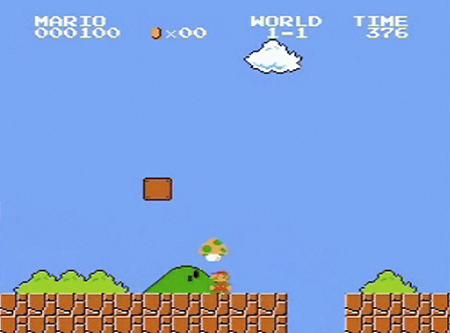
?The term “lives” aren’t as important in modern gaming as it used to be, since players get an infinite number of respawns in the most popular single-player campaigns. However, in older games, players had a finite number of retries called “lives,” and once you’re out of them, it’s game over. You’d have to have to start all over. As an aging gamer, you’ve probably interchanged the words “1-up”, “extra life” and “extra man” on numerous occasions.
4. You Know What the “Nintendo Smell” is
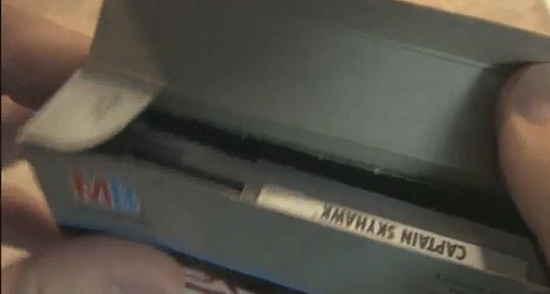
Take a whiff of this!
?Whenever I bought a new NES or SNES game as a kid, the first thing I’d do after I opened the box was take a big whiff of everything inside. There’s nothing quite like that “new Nintendo-game smell,” and it hasn’t been the same since the company began using optical media. I’ve always thought I was crazy, but apparently, former EGM writer Mark McDonald feels the same way I do about the “new Nintendo-game smell.”
5. You Probably Don’t Play Games Online With Strangers

THIS GAME MEANS EVERYTHING!!!
?Not only because everyone online is an asshole, but also because your competitive skills ain’t what they used to be. Your job, bills and nagging in-laws have all taken a toll on your precious ability to play competitive games such as Street Fighter as well as you used to.
6. You Listen to Chiptune Music and Have Some on Your Mp3 Player or Computer
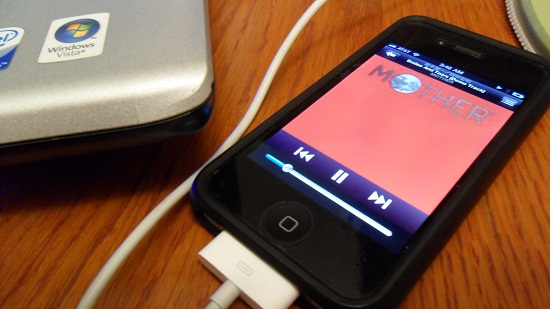
?Whether it’s “Vampire Killer” from Castlevania or just about anything from Mega Man 3, you still think chiptune music (AKA 8-bit music) rocks. You probably have some MP3 of chiptune music stashed somewhere on your computer or iPod, too.
7. You Don’t Play Portable Games in Public Anymore

?The amount of portable gaming you do in public is inversely proportional to your age. Year after year, you find it more uncomfortable to whip out your portable gaming device when you’re waiting around for something. When you were younger, you’d flash that GameBoy at every given opportunity. These days, all you can play with in public is your iPhone. That way, perhaps you can fool someone into thinking you’re texting instead of gaming.
8. You Kinda Miss Nintendo Cereal
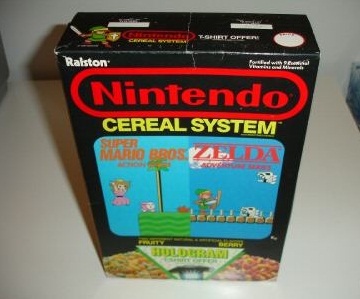
?Not only do you miss Nintendo cereal, but you remember what it tasted like, too. Packed into two separate pouches, Nintendo cereal was divided into two flavors: the fruity “Mario flavor” and the berry “Zelda flavor.” The cereal was composed of fluffy corn puffs that vaguely looked like enemies and items in the Mario and Zelda universes and would come with free Nintendo stickers. Admit it. You’ve even considered buying an unopened box of this stuff whenever it goes on sale on eBay, from where it can cost more than $100.
9. You Aren’t Aware That Modern Arcade Games Now Cost a Lot More Than a Quarter

?Remember when it used to cost a quarter to play an arcade game? One of those old Konami beat-’em-ups would cost you 25 cents to play, and you’d get at least 20 minutes of quality playtime out of that. These days, certain racing or hunting games can cost up to $3 per play. An evening at Dave and Buster’s arcade can easily cost up to $20 if you’re not careful.
10. You Have an Old System That’s Hooked Up to Your TV
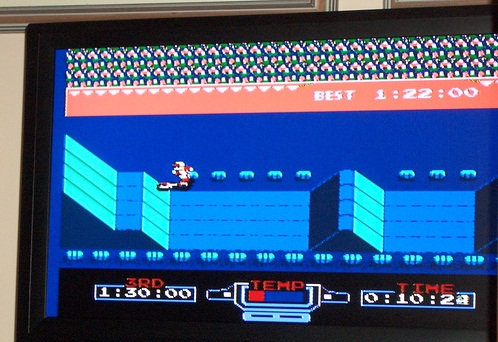
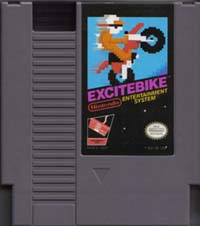
?There’s nothing like playing old games such as Excitebike on the original NES, even though you could now play it on the Wii. You’ve probably re-purchased some NES games on the Virtual Console, even though you have the original cartridge. Every characteristic, flaws included, of these retro consoles make the experience something special to you. Even that blinking blue screen of the NES you used to hate so much is now something you laugh at and love.

Written by Erin Burt
Plug your financial leaks, and pocket the savings.

Has your budget sprung a leak?
Nearly everyone has spending holes. And as with other kinds of leaks, you may have hardly noticed them. But those small drips can quickly add up to big bucks. The trick is to find the holes and plug them so you can keep more money in your pocket. That extra cash could be the ticket to finally being able to save, invest, or break your cycle of living from paycheck to paycheck.
Here are 25 common ways people waste money. See if any of these sound familiar, then look for ways to plug your own leaks:
1. Carrying a balance.

Debt is a shackle that holds you back. For instance, if you have a $1,000 balance on a credit card that charges an 18% rate, you blow $180 every year on interest. Get in the habit of paying off your balance in full each month.
2. Overspending on gas and oil for your car.

There’s no need to spring for premium fuel if the manufacturer says regular is just fine. You should also check to make sure your tires are optimally inflated to get the best gas mileage. And are you still paying for an oil change every 3,000 miles? Many models nowadays can last 5,000 to 7,000 miles between changes, and some even have built-in sensors to tell you when it’s time to change the oil. Check your manual to find the best time for your car’s routine maintenance.
3. Keeping unhealthy habits.

Smoking costs a lot more than just what you pay for a pack of cigarettes. It significantly increases the cost of life and health insurance. And you’ll pay more for homeowners and auto insurance. Add in various other expenses, and the true cost of smoking adds up dramatically over a lifetime — $86,000 for a 24-year-old woman over a lifetime and $183,000 for a 24-year-old man over a lifetime, according to “The Price of Smoking” (The MIT Press).
Another habit to quit: indoor tanning. There is now a 10% tax on indoor tanning services. As with cigarettes, the true cost of tanning — which the World Health Organization lists among the worst-known carcinogens — is higher than just the price you pay each time you go to the salon.
4. Using a cell phone that doesn’t fit.

How many people do you know who have spent hundreds of dollars on fancy phones, and then pay hundreds of dollars every month for the privilege of using them? Your phone is not a status symbol. It is a way to communicate. Many people pay too much for cell phone contracts and don’t use all their minutes. Go to BillShrink.com or Validas.com to evaluate your usage and see if you can find a plan that fits you better. Or consider a prepaid cell phone. Compare rates at MyRatePlan.com.
5. Buying brand-name instead of generic.

From groceries to clothing to prescription drugs, you could save money by choosing the off-brand over the fancy label. And in many cases, you won’t sacrifice much in quality. Clever advertising and fancy packaging don’t make brand-name products better than lesser-known brands.
6. Keeping your mouth shut.

No one wants to be a nuisance. But by simply asking, you may be able to snag a lower rate on your credit card.
When shopping, watch for price discrepancies at the cash register, and make a habit of asking, “Do you have a coupon for this?” You might even be able to haggle for a lower price, especially on seasonal or perishable items, floor models or big-ticket purchases. Many stores will also match or beat their competitors’ prices if you speak up. And try asking for a discount if you pay cash or debit — this saves the store the cut it has to pay the credit-card company, so it may be willing to give you a deal. It doesn’t hurt to ask.
7. Buying beverages one at a time.

If you’re in the habit of buying bottled water, coffee-by-the-cup or vending-machine soda, your budget has sprung a leak. Instead, drink tap water or use a water filter. Brew a homemade cuppa joe. Buy your soda in bulk and bring it to work. (Better yet, skip the soda in favor of something healthier.)
8. Paying for something you can get for free.

There’s a boatload of freebies for the taking, if you know where to look. Some of our favorites include restaurant meals for kids, credit reports, software programs, prescription drugs and tech support. You can also help yourself to all the books, music and movies your heart desires at your local library for free (or dirt cheap).
9. Stashing your money with Uncle Sam rather than in an interest-earning account.

If you get a tax refund each April, you let the government take too much money in taxes from your paycheck all year long. Get that money back in your pocket this year — and put it to work for you — by adjusting your tax withholding. You can file a new Form W-4 with your employer at any time.
10. Being disorganized.

It pays to get your financial house in order. Lost bills and receipts, forgotten tax deductions, and clueless spending can cost you hundreds of dollars each year. Start by setting up automatic bill payment online for your monthly bills to eliminate late fees and postage costs. Then get a handful of files to organize important receipts, insurance policies, tax documents and other statements.
Finally, consider using free budgeting software such as Mint.com to see exactly where your money goes, making it much harder for you to lose track of it.
11. Letting your money wallow in a low-interest account.

You work hard for your money. Shouldn’t it work hard for you too? If you’re stashing your cash in a traditional savings account earning next-to-nothing, you’re wasting it. Make sure you’re getting the best return on your money. Search for the highest yields on CDs and money-market savings accounts. And consider using a free online checking account that pays interest, such as ones offered by Everbank and ING Direct.
Your stocks and mutual funds should be working hard for you, too. If they’ve been lagging behind their peers for too long, it could be time to say goodbye. Learn how to spot a wallowing fund or stock.
12. Paying late fees and missing deadlines.

Return those library books and movie rentals on time. Mail in those rebates. Submit expense reports on time for reimbursement. And if you make a bad purchase, don’t just stuff it in the back of the closet and hope it goes away. Get off your duff, return it and get your money back before you lose the receipt.
13. Paying ATM fees.

Expect to throw away nearly $4 every time you use an ATM that isn’t in your bank’s network. That’s because you’ll pay an ATM surcharge, and your own bank will hit you with a non-network fee. Consider switching to a bank, such as Ally Bank, that doesn’t charge ATM fees and reimburses you for fees other banks charge. Another way to avoid fees if there’s not an ATM in your bank’s network nearby is to get cash back when you make a purchase at the grocery store or drugstore.
14. Shopping at the grocery store without a calculator.

Check how much an item costs per ounce, pound or other unit of measurement. When you comparison-shop by unit price, you save. For example, if a pack of 40 diapers costs $13, that’s 33 cents per diaper. But if you buy a box of 144 diapers for $35, that’s 24 cents per diaper. You save 27%! (Of course, buying more of something only saves money if you use it all. If you end up throwing much out, you wasted money.)
15. Paying for things you don’t use.

Do you watch all those cable channels? Do you need those extra features on your phone? Are you getting your money’s worth out of your gym membership? Are you taking full advantage of your Netflix, TiVo and magazine subscriptions? Take a look at what your family actually uses, then trim accordingly.
16. Not reading the fine print.

Thought you were being smart by transferring the balance on a high-rate credit card to a low-rate one? Did you read the fine print, though? Some credit-card companies now charge up to 5% for balance transfers. Also watch out for free checking accounts that aren’t so free. Some banks are starting to charge fees unless you meet certain criteria.
17. Mismanaging your flexible spending account.

For some people, that means failing to take advantage of their workplace FSA, which lets employees set aside pre-tax dollars for out-of-pocket medical costs. Other people fail to submit receipts on time. And the average worker leaves $86 behind in his or her use-it-or-lose-it FSA account each year, according to WageWorks, an employee benefits provider.
18. Being an inflexible traveler.

You’ll save a lot of money on travel if you’re willing to be flexible. Consider traveling before or after peak season when prices are lower. Or search for flights over a range of dates to find the lowest fare. Booking at the last minute also can save you money because hotels and airlines slash prices to fill rooms and planes. And flexibility pays off at blind-booking sites, such as Priceline or Hotwire, which offer deep discounts if you’re willing to book a room or flight without knowing which hotel or airline (or other details about the flight) you’re getting until you pay.
19. Sticking with the same service plans and the same service providers year after year.
Hey, we’re all for loyalty to trusted service providers, such as your bank, insurer, credit-card company, mutual fund, phone plan or cable plan. But over time, as prices and your circumstances change, the status-quo may not be the best deal any more. Smart consumers are always on the lookout for bargains.
20. Making impulse purchases.

When you buy before you think, you don’t give yourself time to shop around for the best price. Take the time to compare prices online, read product reviews and look for coupons when appropriate.
Make it a policy to give yourself a cooling-off period in case you’re ever tempted to make an impulse purchase. Go home and sleep on the decision. More often than not, you’ll decide you don’t need the item after all.
21. Dining out frequently.

Spending $10, $20, $30 per person for dinner can be a huge drain on your wallet. Throw in a $6 sandwich for lunch every day and you’ve got quite a leak. Learning to cook and bringing your lunch from home can save a couple hundred bucks each month. When you do go out, consider getting carry-out instead of dining in (you’ll save on the tip and drink), skip the overpriced appetizer and dessert, and search the Web for coupons ahead of time.
22. Trying to time the stock market.

In trying to buy low and sell high, many people actually do the opposite. Instead, employ the simple strategy of “dollar-cost-averaging.” By investing a fixed dollar amount at regular intervals, you smooth out the ups and downs of the market over time. If you take out the emotion and guesswork, investing can become less stressful, less wasteful and more successful.
23. Buying insurance you don’t need.

You only need life insurance if someone is financially dependent upon you, such as a child. That means most singles, seniors or kids don’t need a policy. Other policies you can probably do without include credit-card insurance (better to use the premium to pay down your debt in the first place), rental-car insurance (most auto policies and credit cards carry some coverage), mortgage life insurance and accidental-death insurance (a regular term-life insurance policy will do the trick).
24. Buying new instead of used.

Talk about a spending leak — or, rather, a gush. Cars lose 20% of their value the moment they’re driven off the lot and 65% in the first five years. Used models can be a real value because you can get a car that’s still in fine working order for a fraction of the new-car price. And you’ll pay less in collision insurance and taxes, too.
Cars aren’t the only things worth buying used. Consider the savings on pre-owned books, toys, exercise equipment, children’s clothing and furniture. (Of course, there are some things you’re better off buying new, including mattresses, laptops, linens, shoes and safety equipment, such as car seats and bike helmets.)
25. Procrastinating.

Time is an asset money can’t buy. Start investing for retirement as soon as possible. For instance, if a 40-year-old saves $300 a month with an 8% return per year, he’ll have $287,000 by age 65. If he had started saving 15 years earlier at age 25, he’d have more than $1 million.